How to Find a Water Leak
Water getting out unseen still has to pass the meter, and that is where the hunt begins. This page walks through how to find a water leak using nothing more than your meter, a walk of the house and some food colouring. A licensed plumber handles the repair end, and our Wavell Heights team takes these jobs most weeks.
If we're late, $100 comes off your bill

- Licensed and InsuredEvery job done by a licensed plumber. QBCC No: 15024607
- Fixed Quote FirstFlat-rate pricing, agreed before any work starts
- Lifetime Labour WarrantyBacked by our Fix-It-or-It's-Free guarantee (T&Cs apply)
- $0 Call-Out FeesNo extra charge for nights, weekends or public holidays
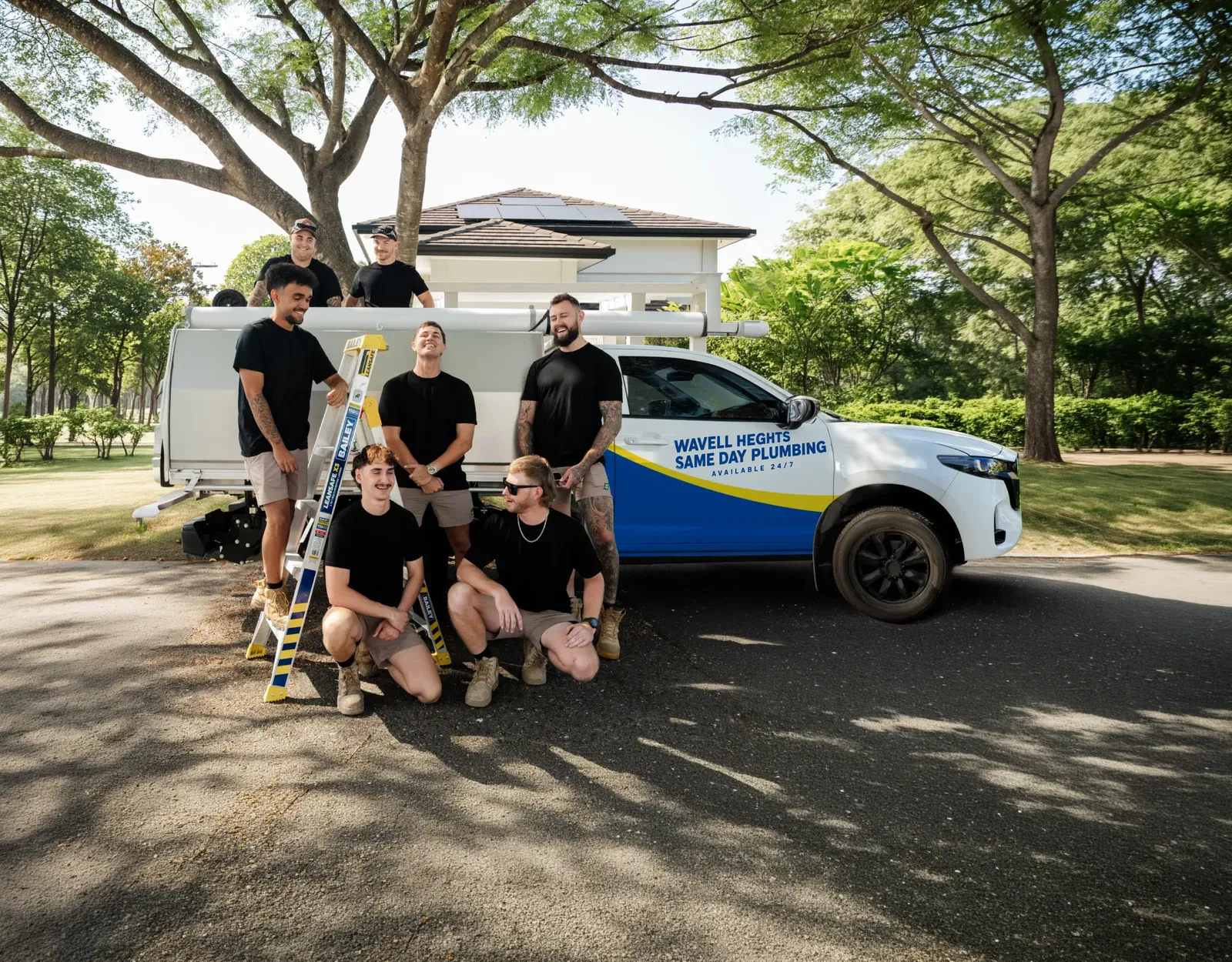
One clue often shows up first: a water account well above normal for a household whose habits have not shifted. The meter check then tells a leak apart from ordinary use.
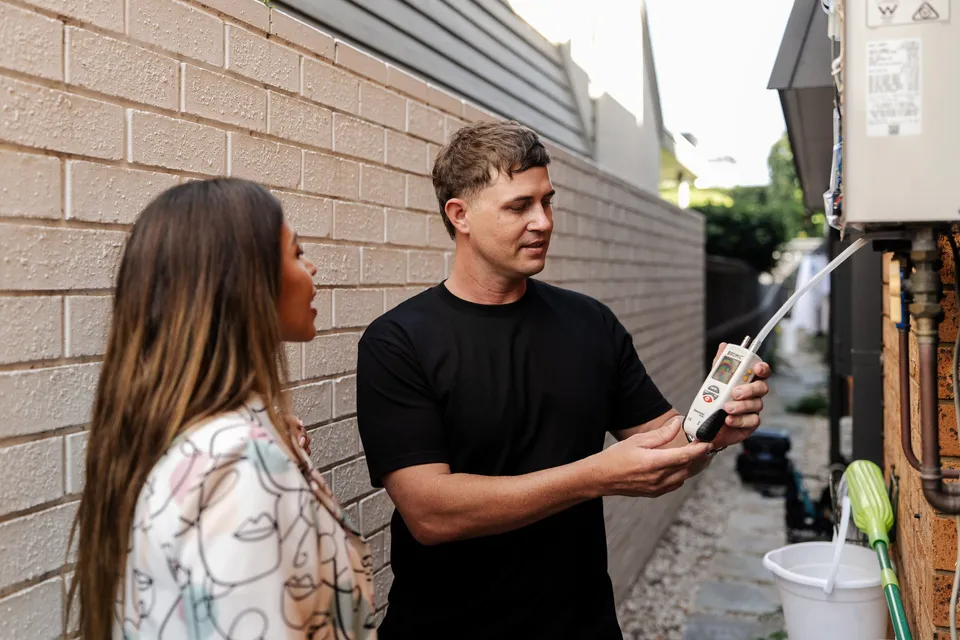
Start With a No-Use Meter Check
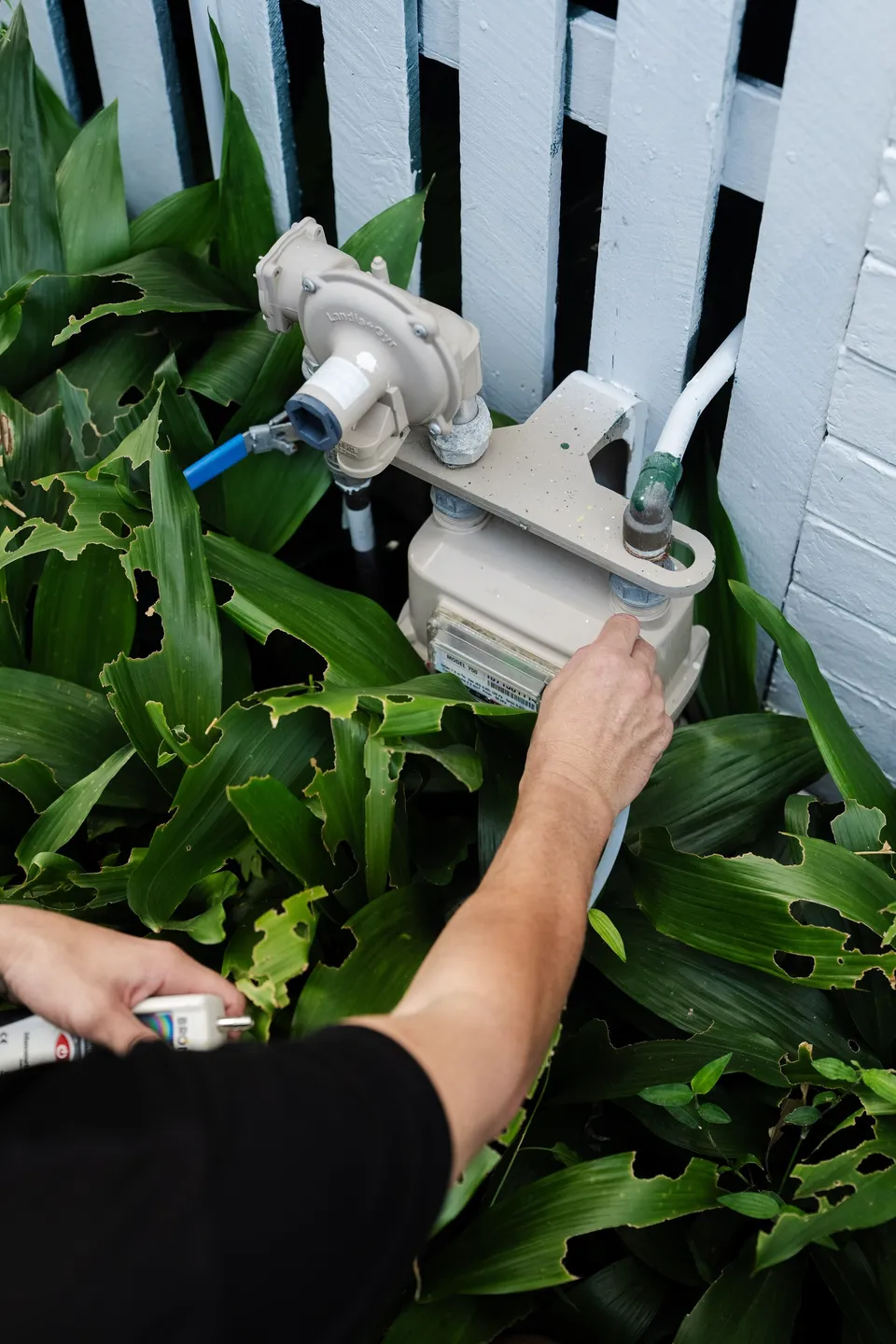
With the whole house using nothing, write down the meter numbers, wait at least an hour, then read it again; any movement signals a leak on your side. From there it is a job for a licensed plumber.
The shutdown list before the first reading:
- every tap indoors and out, hose included
- the washing machine and dishwasher
- the fridge, if it is plumbed in
- irrigation, if the garden has it
Photograph the red digits as well, and keep the meter's own control tap open while you wait. Your meter sits in a small box flush with the ground, out on the verge near the front boundary.
Urban Utilities does run a program that flags unusually heavy use and phones customers where possible. Its advice is blunt: don't lean on that call. Read your own meter, because the pipes past it are yours to look after.
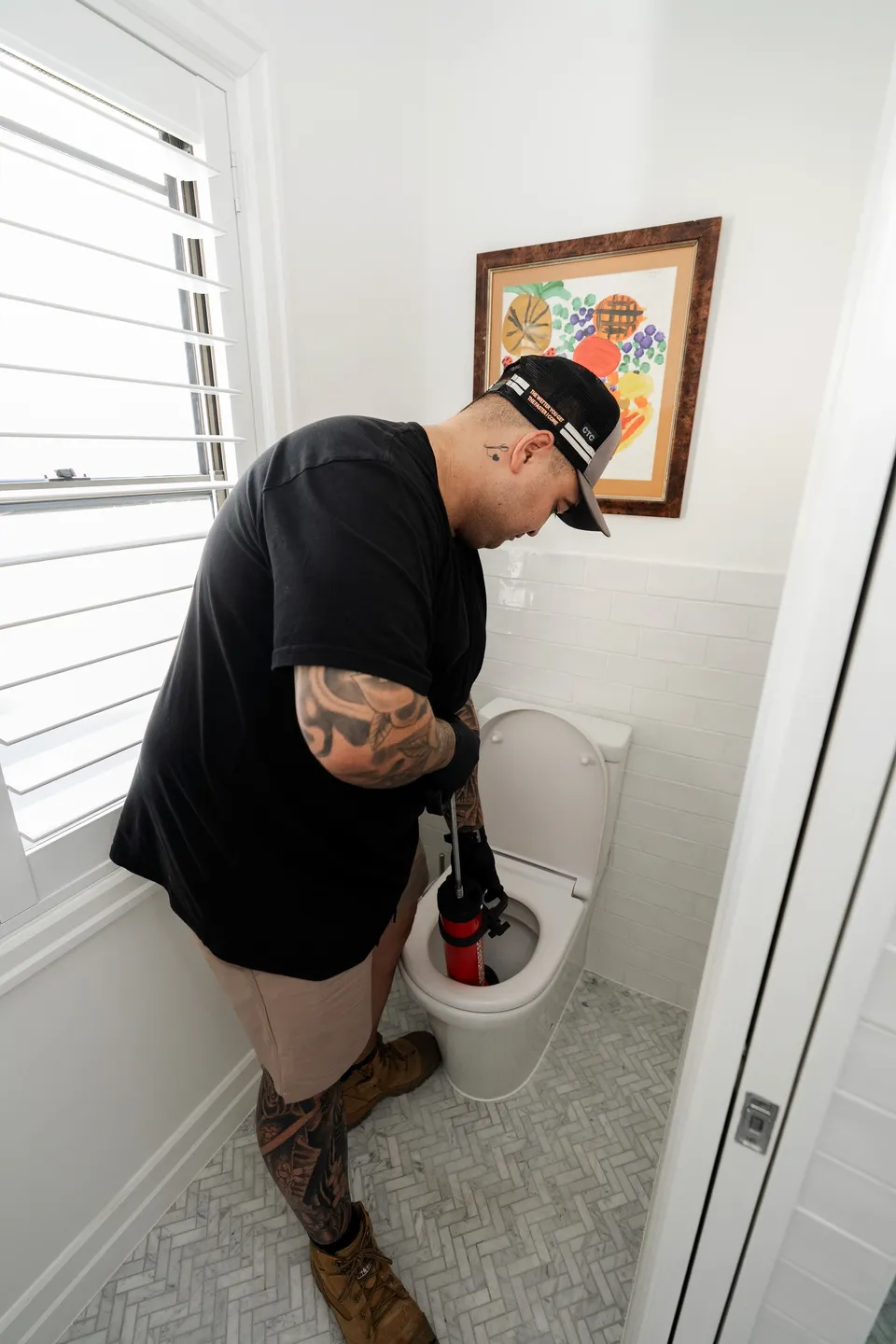
Toilets, Taps, Showers and Appliances
Work the indoors in this order: toilet cisterns first, then the taps and showers, then the plumbed-in appliances, and finish on the walls, ceilings and floors. Each check takes minutes.
The dye test
Food colouring goes into the cistern, the toilet stays unflushed, and you wait. Colour showing up in the bowl means the cistern is passing water into the pan, so flush when done, because ceramic will not hold the stain.
Fixtures and appliances
Turn every tap and shower hard off and check for drips, then look beneath the kitchen sink and behind the fridge. Give the hot water system one glance for water or rust at its base.
Surfaces
Watch for damp patches, water stains, a musty odour, paint that is swelling or peeling, and a warm spot on the floor.
Much of Wavell Heights went up in the 1940s and 1950s, and a house of that era still running its first galvanised supply is exactly the type to weep at an old joint. Take a stain near an outside wall in one of those homes seriously.
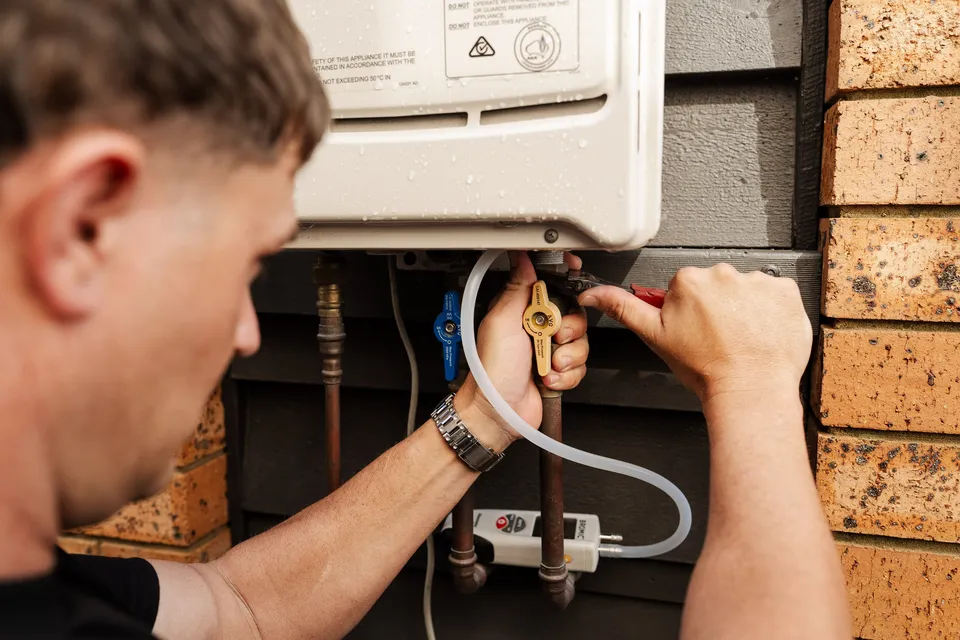
Taps, Tanks and Wet Ground Outside
Outside, check the garden tap and hose connection first, then any rainwater tank, then the ground for soggy or unusually green patches. One dripping garden tap can send thousands of litres down the drain over a summer.
A rainwater tank linked to town water can hide the problem in plain sight. Check the tank is not refilling itself from the mains. A solenoid or internal part that has failed can keep drawing town water, and a licensed plumber replaces those parts.
Then read the ground. Soggy soil, a patch of lawn greener than everything around it, or paving that has shifted all point to water escaping below. The older galvanised and early copper services in this suburb tend to fail at a joint, and a lawn that stays wet without rain is often the earliest hint.
Homes with a pool can run a bucket test. Half-fill a bucket with water from the pool, set it on the top step so the levels match, mark both, and give the pool a full day with nobody in it. If the pool drops further than the bucket, water is escaping from it; equal drops are just evaporation.
Meter Moving but Nothing Found
A drip at a fixture, once your hunt turns one up, is the likely cause. A dial still creeping after an empty hunt points to water hidden under soil, beneath a driveway or inside a wall.
A leak like that can waste thousands of litres daily and stay unseen until the bill or the damage gives it away. In Queensland, mending a damaged pipe falls under minor work, which a licensee carries out without a permit or a Form 4.
Urban Utilities looks after the street-side mains and the sewer. Every pipe from the meter into your place is the owner's to maintain.
Two small tasks sit outside the licensing rules: swapping the washer or jumper valve inside a tap, and renewing cistern washers, are unregulated work anyone with the knowledge may do. Replacing the whole tap, or any repair on the pipe itself, belongs with a licensed plumber.
When to Call a Plumber
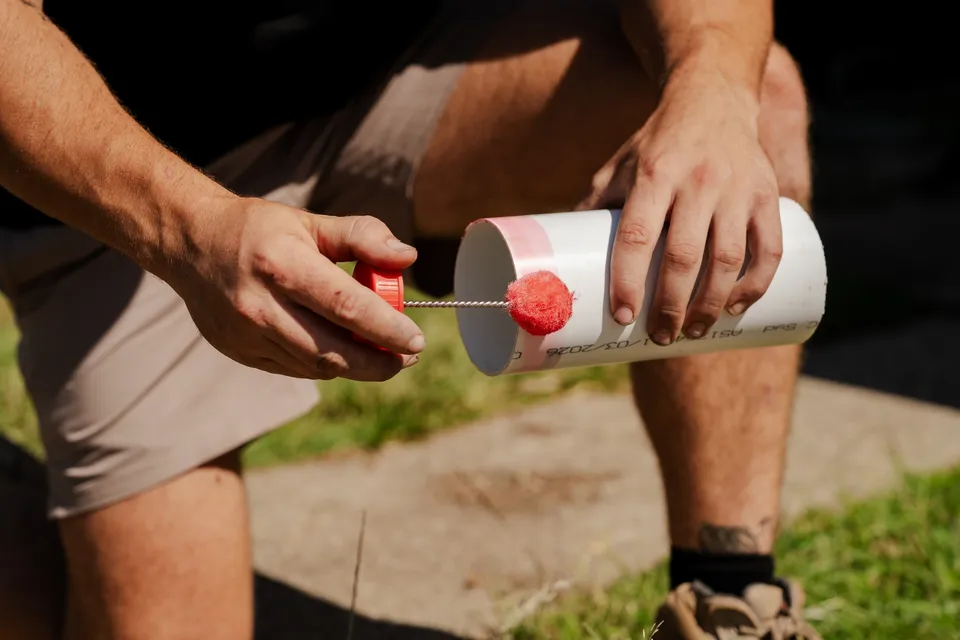
Ring (07) 3524 7163 when the dial still moves after your hunt, or at once for water you cannot stop. Our leak detection service confirms the leak, splits the pipework into sections, tests each run under pressure, listens along the line and takes moisture readings before opening anything.
That page also explains what the meter result means for the utility's pipes versus yours, and the concealed-leak adjustment rules. We are available 24/7, with no extra charge for nights, weekends or public holidays.
Questions Wavell Heights Homes Ask About Hidden Leaks
Call (07) 3524 7163How can I find a hidden water leak at home in Wavell Heights?
Start at the meter with the house using nothing, then work through toilets, taps, showers and appliances indoors, and the garden tap, any tank and the ground outdoors. A licensed plumber traces whatever that hunt misses, and we take those calls 7 days a week.
How do I do a toilet dye test?
Drip some food colouring into the cistern, leave the toilet unflushed and give it time. Colour showing up in the bowl means the cistern is passing water into the pan. Flush when done; ceramic will not hold the stain.
How do plumbers find a leak I cannot find?
We confirm it on the meter, then split the pipework into sections and test each under pressure, listen along the line and take moisture readings before opening anything. The full method sits on our leak detection page.
Will Urban Utilities reduce my bill for a hidden leak?
Yes, it may, under its concealed leak rules. The leak must be out of sight, past the meter on your property, repaired in time and covered by a licensed plumber's invoice. Leaking taps and running toilets are excluded.

Talk to Us About That Hidden LeakWe'll call you back.
Phone (07) 3524 7163 for a licensed plumber in Wavell Heights. We work under QBCC No: 15024607, with flat-rate pricing, no hidden fees and same-day where we can.
To claim your $0 call-out fee, call (07) 3524 7163 today.